

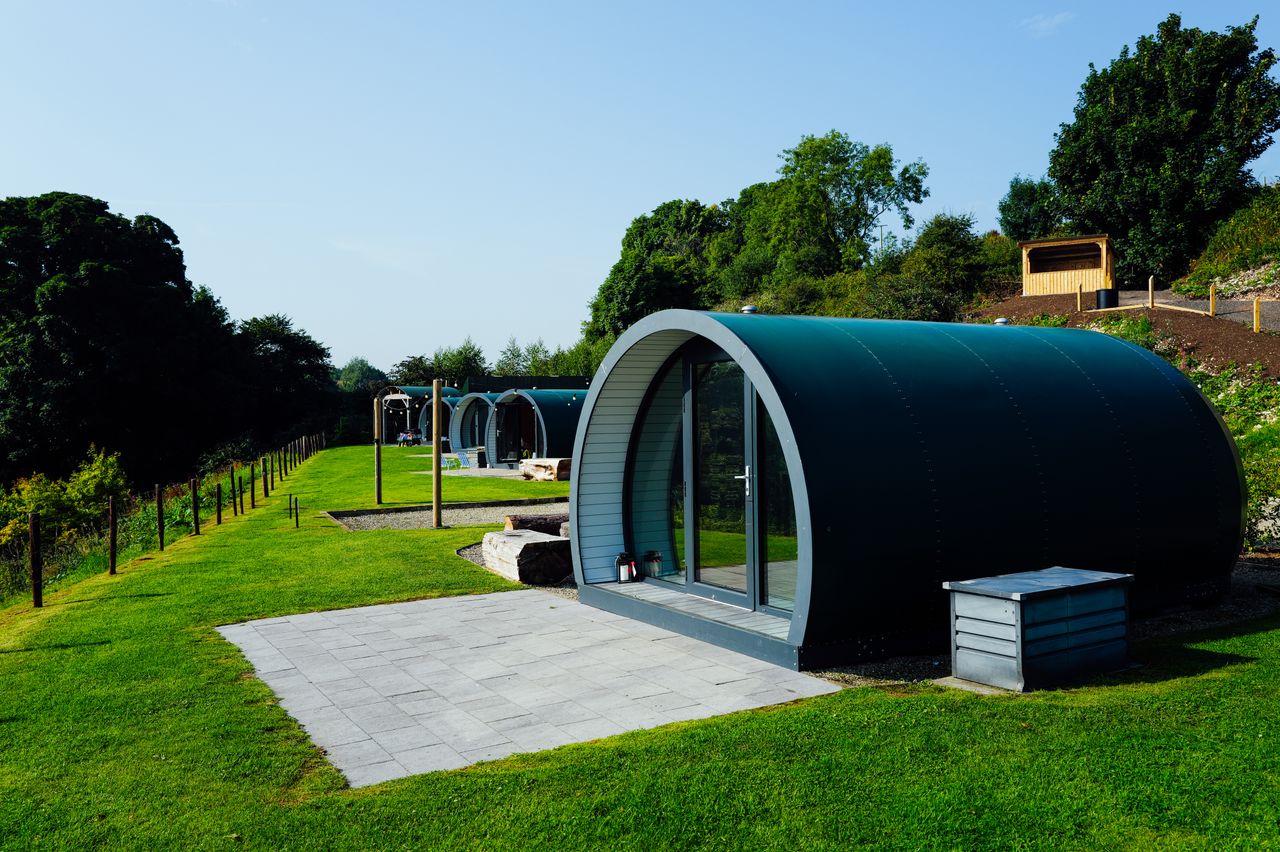
Farm Diversification Ideas
Get clear, practical planning advice before investing in glamping, holiday lets, farm shops, events venues or renewable energy projects.

As a chartered member of the Royal Town Planning Institute. Simple Planning Solutions offers independent, affordable planning advice to householders, landowners.
Farm Diversification – Common Use cases
Farm owners across the UK are looking at ways to add new income streams by using their existing land and buildings for new purposes, alongside traditional farming.
Diversification can help strengthen cash flow and reduce reliance on crop and livestock sales.
Farm diversification can also help provide financial resilience in a time where unpredictable weather is having an increasing negative effect on harvests.
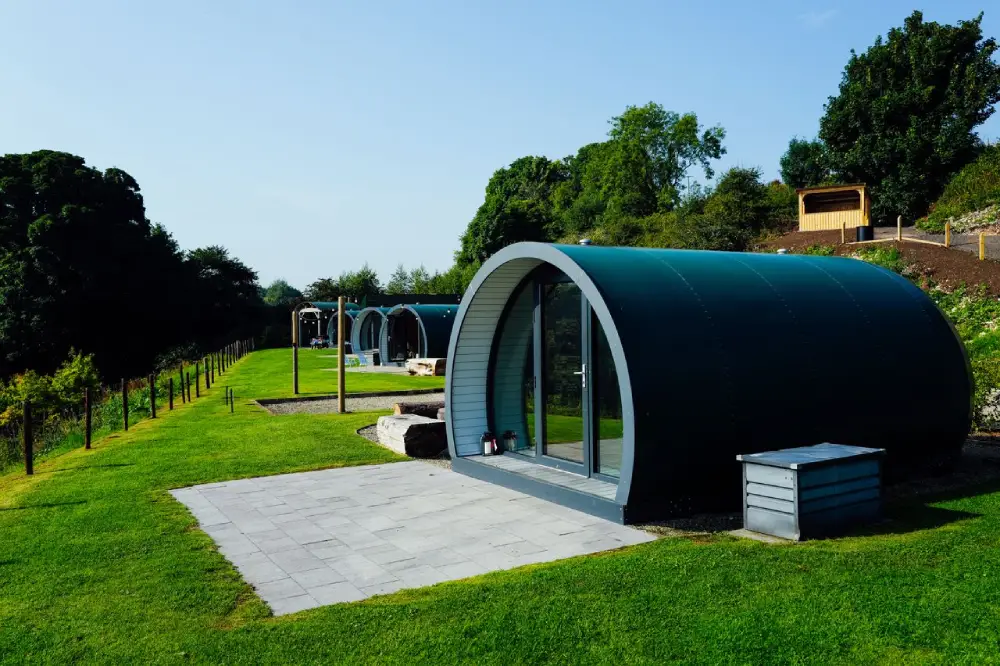
1. Glamping and Holiday Lets
Converting unused farm buildings or areas of land into glamping accommodation and holiday lets can provide an additional source of income for farm owners.
Rural locations are increasingly attractive to visitors looking for peaceful breaks, outdoor experiences and a closer connection to nature. Farms can make use of existing buildings, scenic views and nearby attractions to create distinctive accommodation for short stays, family holidays and weekend breaks.
A successful glamping or holiday-let business requires careful planning, including suitable access, utilities, waste management, cleaning, insurance and any necessary planning permissions. The level of investment will depend on the type and number of units being developed, as well as the facilities offered to guests
2. Events and Wedding Venues
Farm buildings, barns and open land can be transformed into attractive venues for weddings, parties, corporate events and other celebrations. Rural locations often appeal to customers looking for a relaxed setting, scenic views and a distinctive alternative to traditional event spaces.
Farm owners may be able to generate income by hiring out a converted barn, marquee site or outdoor area. Additional services, such as catering, accommodation, parking, furniture hire and event coordination, can create further revenue opportunities.
Developing an events or wedding venue requires careful consideration of planning permissions, licensing, access, parking, toilets, noise management, lighting, utilities and the impact on neighbouring properties. With the right facilities and a well-planned offering, an events venue can become a valuable long-term diversification opportunity.
3. Farm Shops, Cafés and Restaurants
Farm shops, cafés and restaurants allow farmers to sell their own produce directly to customers while creating an additional source of income. Products may include meat, dairy, eggs, fruit, vegetables, preserves and other locally sourced goods.
A farm shop can benefit from strong customer demand for fresh, traceable and locally produced food. Cafés and restaurants can attract visitors by offering homemade meals, seasonal menus and a welcoming rural setting.
These businesses may also support other farm diversification activities by encouraging visitors to stay longer and return regularly. However, they require careful planning, including suitable premises, food hygiene controls, staffing, parking, waste management and any necessary planning permissions or licences.
4. Renewable Energy Projects
Renewable energy projects can provide farms with an additional income stream while making productive use of available land and buildings. Common options include solar panels, wind turbines, biomass heating systems and anaerobic digestion plants.
Energy generated on the farm can be used to reduce operating costs, with surplus electricity potentially supplied to the grid, subject to the relevant arrangements. Renewable energy systems may also help farms reduce their reliance on fossil fuels and support wider environmental goals.
Before proceeding, farm owners should consider the initial investment, connection costs, maintenance, location, visual impact and potential effects on farming operations. Planning permission, environmental assessments and other approvals may also be required, depending on the type and scale of the project.
5. Leisure and Tourism Activities
Farms can create additional income by offering leisure and tourism activities that make use of their land, buildings and rural setting. Popular options include farm tours, educational visits, fishing, camping, outdoor activities, wildlife experiences and children’s attractions.
These activities can appeal to families, schools, tourists and local visitors looking for recreational experiences in the countryside. They can also complement other diversification projects, such as farm shops, cafés, glamping sites and holiday lets.
Successful leisure and tourism businesses require careful planning, suitable facilities and effective visitor management. Important considerations may include access, parking, toilets, health and safety, insurance, staffing and any necessary planning permissions or licences. The activity should also be managed carefully to minimise disruption to normal farming operations and the surrounding environment.
Professional Farm Diversification Planning Permission Advice
Exploring glamping, holiday lets, a farm shop, events venue or renewable energy project? We help farmers and landowners understand the planning position, identify the most suitable route and avoid unnecessary costs.
Trusted Reviews

The first was for a farm project with Nuneaton and Bedworth Council, and the second was a retrospective planning application with Coventry City Council. In both cases Michelle handled everything professionally from start to finish and made the whole planning process much easier to navigate.
Planning applications can be complicated, but Michelle explained each stage clearly, helped prepare the necessary documents, and ensured everything was submitted correctly. Her knowledge of the planning system and local councils really showed, and it made a big difference to the outcome.
Both applications were granted, which speaks for itself.
I’d highly recommend Michelle and Simple Planning Solutions to anyone needing help with a planning application. We’ll definitely be using her again for another project next year.
Thanks again Michelle.


Throughout the process, Michelle was consistently clear, responsive and practical. She understood the planning issues properly, dealt with the council directly, and kept the application moving when it could easily have stalled or failed due to delays elsewhere.
Importantly, she didn’t over-promise or sugar-coat things — she explained what mattered, what didn’t, and how best to get the application over the line. In a process where others were slow or unresponsive, Michelle was reliable and professional throughout.
I wouldn’t hesitate to recommend her to anyone needing experienced, level-headed planning advice.




The website was impressive, already with lots of information. Easy decision to make to contact Michelle. She was fantastic, full of knowledge and experience. Answered all our questions with fast accurate responses! Great attention to detail too.
Most definitely highly recommended for sure. Thankyou again Michelle 😀




Very knowledgeable and resourceful in her line of work, she is able to efficiently and effectively direct you in any matters regarding planning etc..
Capable of guiding you through the process from start to finish throughout your project or endeavours, answering any queries and providing assistance in resolving any issues you may come across along the way, she is sure to make your planning application experience a stress free and straightforward process.
Would recommend and will be using again in future.

We received the fantastic news of being successful in our appeal and being granted our LDC.
We would not hesitate on recommending your services.
Thank you again Mark and Vicki


Anytime you call she will fine time for you. Good customer service.


From site visits to quick responses, she was always there for us, even replying to the council on our behalf while on holiday! Her dedication and professionalism were truly impressive.
Top-notch service, highly recommended! We will definitely be using Michelle for all our future planning applications on other projects.
And the best part? Planning granted! 😁🙌


The complications implemented by the council caused alot of stress for me but Michelle overcame every obstacle.
Highly recommended and will always use in the future, thank you again!

Excellent Service!! Michelle has been amazing. She is an experienced planning officer who is able to provide a wealth of knowledge and information. Thanks to her advice and her application support document, we have recently had our application approved which we are over the moon about. Michelle has helped at every stage and has worked with the surveyors, architect and most recently negotiated with the planning officer during the application to ensure approval. Her fees are very reasonable and she is so easy to talk to and deal with. Very few of us who are not in the industry have the knowledge to support these complex applications to give them the best chance of success and I think this possibly the best money I have ever spent for her help with this project. I can't recommend Simply Planning enough. Well deserved 5 stars!!


Thanks again.


She also helped me secure my builders for the job


we where working against the clock to obtain a Lawful Development certificate allowing us to be able to complete the sale of are home.
she was very quick and professorial in her response to are inquiry and after tell her the situation we were in, she was able to come to are home to take pitchers and get the application in to the council very promptly. which we would not have been able to do without her support.
if i needed to ask her any question or was unsure of anything I was able to contact her and get a prompt response.
Thank you for the great service as you have played a significant role in us being able to exchange on are family home.

The matter we are dealing with is going to Appeal and we had no hesitation in engaging Simple Planning Solutions.
I cannot regard her work more highly or recommend her too highly.

After many planning issues and attempts to sort them ourselves we called upon Michelle, who has really gone above and beyond to get the job done. Very professional and gets results. In hindsight we should have used her from the very start.


Michelle was honest, responsive and ensured we were paid by their client on time. We would recommend Simple Planning Solutions and look forward to working with Michelle in the future.
